17 Nov 2026
Britain's Betting Shops Integrate Self-Service Terminals and Digital Accounts as Online Platforms Draw Customers
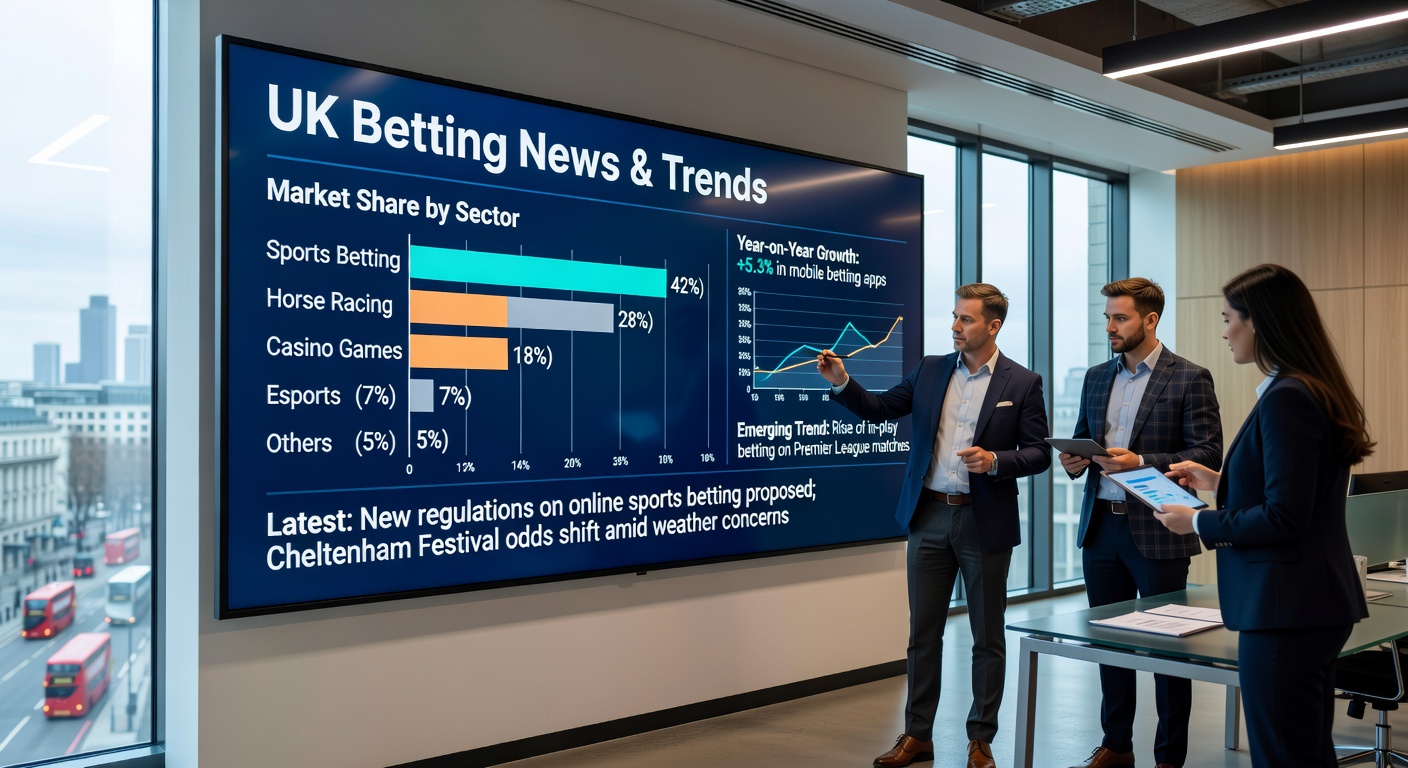
Britain's high street betting operators face ongoing adaptation as customer preferences move toward online platforms, prompting widespread installation of self-service terminals alongside integrated digital account systems that connect physical venues with remote betting options. Operators report that these changes help maintain footfall while addressing the documented drop in traditional shop numbers. UK Gambling Commission statistics track a steady reduction in physical betting locations over recent years, yet they also record expansion in the volume of bets placed through terminal equipment inside remaining shops.
Customer Migration and Retail Adjustments
Shop operators have responded by equipping premises with terminals that allow customers to place bets independently without counter service, and many now link those machines directly to user accounts that sync with online platforms. This setup lets players manage funds, track history, and access promotions across both environments. Data from the UK Gambling Commission shows continued contraction in the total count of licensed betting shops, while the same figures reveal rising activity on terminal hardware that remains on site. Observers note that the pattern reflects broader industry movement rather than isolated closures.
Terminal Technology and Operational Changes
Self-service terminals handle a range of products including sports betting, virtual games, and lottery draws, with touch-screen interfaces that process payments through cash, cards, or account balances. Retail groups have rolled out these machines in stages, often replacing older counter-based systems to cut staffing costs and increase machine uptime during peak hours. Integration with digital accounts means a customer can start a session in a shop, continue on a mobile app later, and return without re-entering details. Figures released by the UK Gambling Commission indicate that terminal-based betting has grown as a share of non-remote activity even as overall shop numbers decline, suggesting operators concentrate resources in fewer but more technologically equipped locations.
By November 2026 the transition had reached most major chains, with terminals now forming the core of daily operations in surviving high-street outlets. Retailers cite the need to compete with fully remote operators that offer faster interfaces and wider markets. The same regulatory data that records fewer shops also tracks higher average revenue per terminal, pointing to efficiency gains from the hardware upgrades.

Regulatory Data on Shop Numbers and Terminal Growth
UK Gambling Commission reports document a multi-year decline in the number of licensed betting premises alongside measurable increases in terminal transactions. The statistics separate remote and non-remote sectors, showing that while remote gross gambling yield continues to expand, the non-remote portion increasingly flows through self-service devices rather than traditional over-the-counter bets. Operators use these numbers to justify further terminal rollouts and account-linking features that encourage customers to maintain activity within the same licensed group across channels. Those who monitor the sector point out that the data captures both the contraction in physical sites and the parallel rise in machine usage, creating a clearer picture of how retail betting persists in altered form.
Account Integration and Cross-Channel Play
Digital account integration allows a single customer profile to operate in shops and online, with real-time balance updates and unified responsible gambling tools. Retailers have introduced features such as QR-code logins at terminals and app-based notifications that alert users to shop-only promotions. This connectivity reduces friction for customers who split their betting between environments and gives operators richer data on individual behavior. Commission statistics released in recent quarters record the growth in terminal play as a distinct category, underscoring that physical venues retain relevance when equipped with technology that mirrors online capabilities.
Industry Response Across Major Operators
Larger betting groups have standardized terminal models across their estates and negotiated software updates that improve speed and market range. Smaller operators have followed at varying paces, often focusing on high-traffic locations where terminal revenue justifies the investment. The pattern shows consolidation: fewer shops, each fitted with more terminals and tighter links to online platforms. UK Gambling Commission figures continue to serve as the benchmark for tracking these shifts, supplying operators and regulators with consistent measures of location counts and terminal activity levels.
Conclusion
The documented movement of customers toward online platforms has driven Britain's betting shop operators to adopt self-service terminals and integrated digital accounts as standard features. UK Gambling Commission data confirms both the reduction in physical locations and teh increase in terminal-based betting, illustrating how retail outlets remain active through technological adaptation rather than unchanged operation. As of November 2026 the sector continues to implement these changes across remaining sites, with account integration providing the bridge between shop and remote play.